

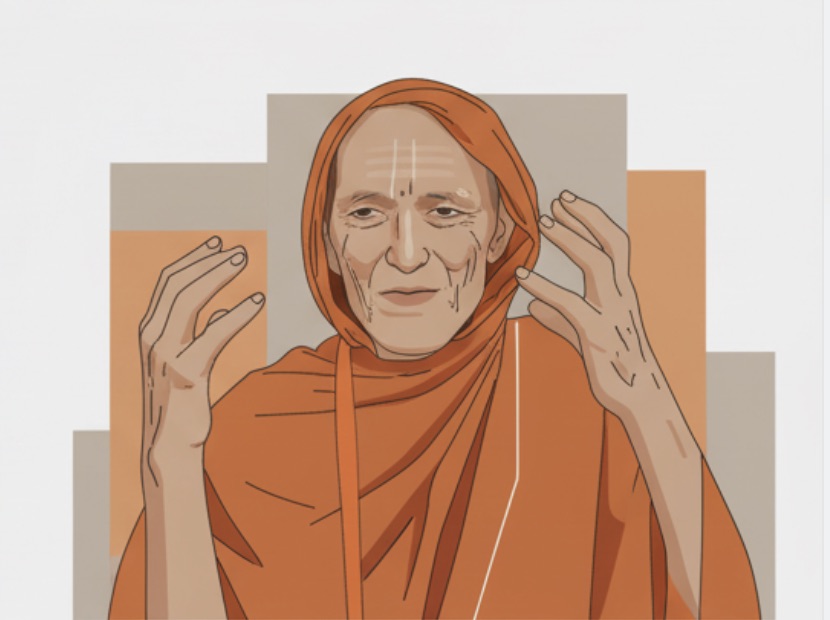

Robert came to the spiritual community seeking radical transformation. They promised he could practice “his own way,” adapting everything to his comfort. Three years later, his life was identical: same habits, same consciousness, same ego. He had found spirituality without renunciation, tradition without discomfort, transformation without real change.
A dangerous pattern emerges: diluting millennial traditions in the name of “accessibility.” It sounds compassionate. It seems inclusive. But it functions as betrayal of what those traditions truly offer. The logic is seductive: traditional practices were contextual. Culture is not essence. Therefore, we can adapt everything. Eliminate what makes us uncomfortable. Soften what challenges. Call it “intelligence” when it’s capitulation.
But authentic teachers understood something deeper: certain cultural forms are not arbitrary. They are proven technologies of transformation. Sacred language penetrates layers of consciousness that casual translations cannot reach. Ritual practices break identification with the mundane. Traditional dress marks separation from materialism.
When the Buddha adapted his teachings, he maintained rigorous monastic disciplines. When Christianity expanded, it preserved sacraments, liturgies, ascetic practices that defined the tradition. They did not dilute the essence for cultural comfort.
True compassion gives what people need, not what they want. Sometimes that means discomfort, challenge, renunciation of limited identities. Authentic adaptation distinguishes principles from applications. Dilution confuses facilitating access with eliminating demand.
Result? Traditions converted into generic self-help. Transformative power reduced to psychological consolation.
Spiritual wisdom is for everyone. But real transformation requires more than validating what you already are. It requires becoming what you are not yet.