


False Vaishnava Gurus and Psychopathic Behavior Patterns in ISKCON
Narcissistic Personality and Cult of Worship
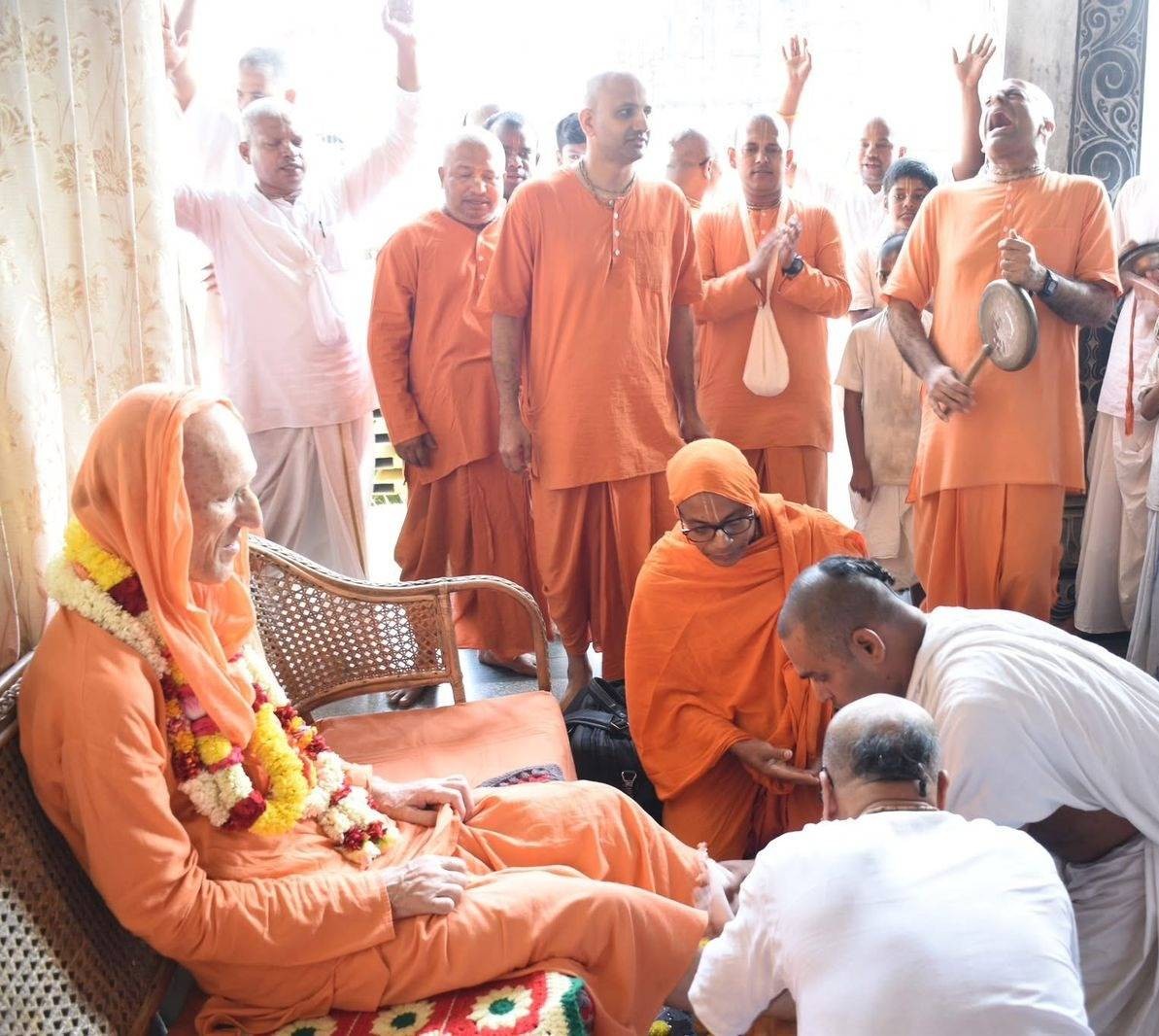
False Vaishnavite gurus within ISKCON reproduce with disturbing precision the psychopathic behavior patterns described in clinical psychology. They build their identity around the adoration of their disciples, perverting ceremonies such as vyasa-puja — which should redirect devotion toward Krishna — to feed their own ego.
Figures like Kirtanananda, Bhagavan das, and Harikesa cultivated genuine cults of personality within the institution, demanding seva, dakshina, and absolute obedience while offering no genuine spiritual guidance in return. They lived parasitically off the labor and money of devotees, enjoying luxuries while their disciples endured hardship, in a complete absence of reciprocity and empathy.
Triangulation and Silencing of Dissent
To maintain control, these false gurus resort to triangulation: they pit disciples against one another, create internal hierarchies of favorites, and when someone dares to question them, they accuse that person of committing vaishnava-aparadha — offense against Vaishnavas — which the tradition considers the gravest of sins. This accusation functions as a devastating weapon that silences all legitimate dissent.
Outwardly they display transcendental humility and devotion, but when their authority is challenged, they exhibit disproportionate rage, which they justify by invoking the figure of the wrathful guru who punishes out of love, thus distorting the concept of guru-kripa. Their devotional emotions are, at their core, an elaborate mask.
Moral Hypocrisy and Institutional Cover-Up
The absence of internalized morality manifests in the private transgression of the very regulative principles they publicly demand: no intoxication, no illicit sex, no gambling, no meat eating. The most extreme and well-documented case involves the sexual abuse of minors in ISKCON gurukulas, which came to light in the lawsuit of 2000 and revealed an institutional culture of cover-up.
The Abuse Cycle: Love Bombing and Devaluation
The relational dynamic follows the same phases described in the psychology of abuse. First comes the spiritual love bombing: the new devotee receives personalized attention, prasadam, communal kirtan, and experiences an ecstasy they interpret as divine grace. Once emotionally committed, irrational demands begin, along with public humiliation disguised as a tool for breaking the false ego and the progressive isolation from family and friends, who are dismissed as ignorant karmis. This transition produces in the victim a profound cognitive dissonance and a paralysis that prevents them from reacting.
Post-Traumatic Consequences and Spiritual Amnesia
The consequences for those who manage to leave are identical to those of complex post-traumatic stress disorder: loss of identity, inability to trust others, persistent guilt for having supposedly abandoned Krishna — when in reality they abandoned their abuser — and existential crises that can last for years.
Added to this is what we might call a spiritual perverse amnesia: former disciples tend to remember the kirtans, the community, and the moments of apparent grace while forgetting the abuse. The tradition itself reinforces this mechanism by teaching, through selective citation of Bhagavad-gita verse 9.30, that the faults of the guru must not be seen. This leads many to return again and again to the abusive environment.
Warning Signs and the Path Out
The warning signs are clear: a guru who does not tolerate questions, who demands exclusive loyalty above scripture, who lives in a manner incompatible with what he preaches, and who isolates his disciples from other sources of knowledge, even within Vaishnavism itself. The Bhagavata Purana states in verse 11.17.27 that a guru incapable of liberating his disciples must be abandoned, and Srila Prabhupada himself warned against gurus without genuine qualification.
Recovery requires rebuilding one’s relationship with the philosophy by separating it from the abuser, distinguishing between genuine Krishna-bhakti and institutionalized exploitation. Because the problem does not lie in Vaishnavism or Gaudiya philosophy itself, but in the institutional structure that allowed — especially after the zonal guru system established after 1977 — unqualified persons to occupy positions of absolute and unquestionable authority over the lives of others.